
Mold Removal in Cambridge Starts at Inspectional Services
Before anything wet is cut out of a Cambridge house, several separate approvals can stand in front of the saw, and knowing which apply to your address is what keeps a job from stopping for a week.
Mold Removal quote in Cambridge
Tell us what you can see, where the water came from, and whether anything is still wet. That is usually enough for us to say which trade you need, and whether the job is small enough to handle yourself, before anyone comes out.
Would you rather talk it through? Call (315) 640-3590, answered 24/7.
$100 off your first job
Credited by us on your first booked job.
- One credit per customer per property, on your first booked job.
- Valid through December 31, 2026.
Mention this offer when you book. Full terms.
Three things that move a Cambridge start date
The order of those approvals is what decides your start date, so ask for it in writing before you accept one. The realistic path is survey first, then the city permits, then the notification period, then demolition, and the only part of it that can genuinely be compressed is the paperwork you begin today. Never let a contractor ask you to pull the permit to save a fee or a day: two independent sources, the city and MGL c.142A, say that forfeits the Residential Contractor's Guaranty Fund, and that Fund only ever reached pre-existing owner-occupied buildings of one to four units in the first place.
Who pulls the permit
It should be the contractor. A homeowner who secures the permit takes on liability for the trades and drops out of the Guaranty Fund for that job.
Whether asbestos is in the cut line
Pipe insulation, floor tile and old coatings all qualify at one percent by lab analysis. In Cambridge that means a city removal permit as well as the MassDEP notice.
Whether the building is over fifty years old
Structures over fifty years cannot be demolished without Historical Commission approval, and 67.9 percent of this city's housing predates 1980.
What Inspectional Services requires before demolition
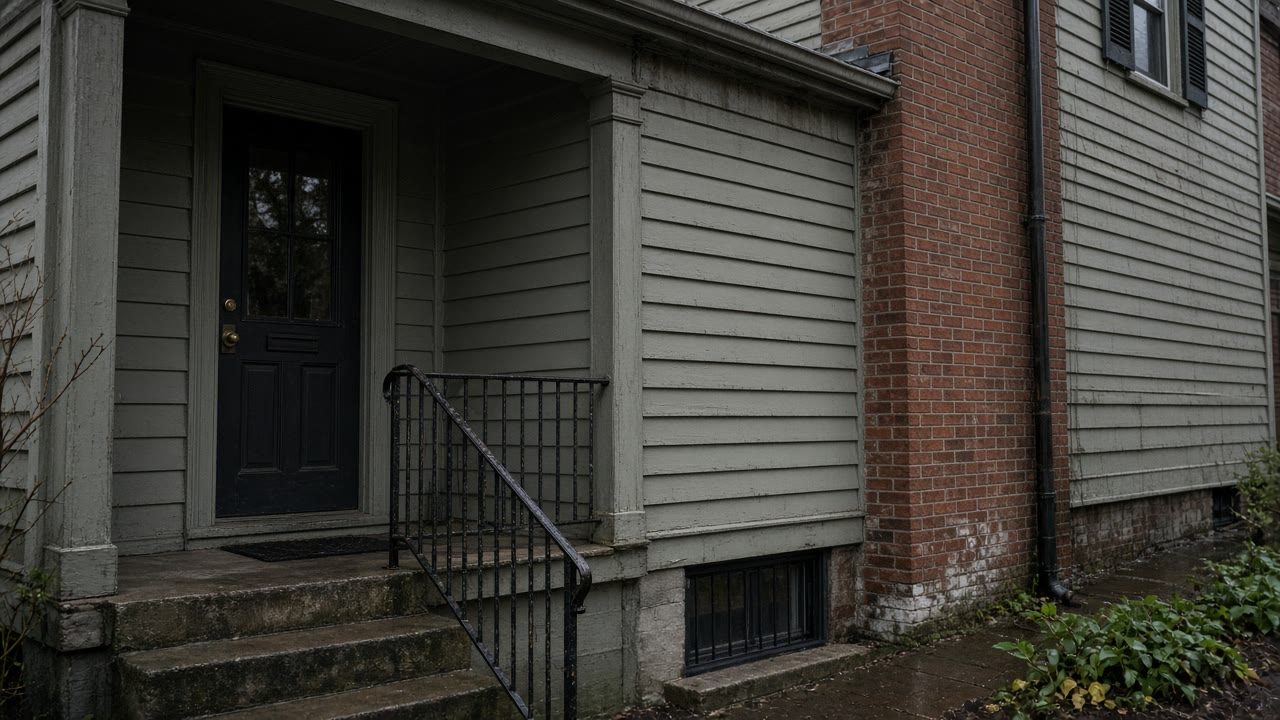
Cambridge Inspectional Services states that anyone seeking to construct, alter or demolish a structure must first obtain a building permit from a building inspector, that the permit must be obtained before the start of any work, and that it must be prominently posted at the job site.
Source: City of Cambridge Inspectional Services Department, accessed 2026-09-14
Cambridge Inspectional Services states that building permits are issued to construction supervisors licensed by the City of Cambridge or by the State of Massachusetts, that the state license covers structures of less than 35,000 cubic feet, and that permits are also issued to homeowners doing work on one or two unit dwellings where they live. It warns that homeowners issued their own permits may be liable for contractors working on their property and are not eligible for protection under the Home Improvement Contractor law, so the department encourages homeowners to have the permit taken out by a properly licensed contractor.
Source: City of Cambridge Inspectional Services Department, accessed 2026-09-14
Cambridge Inspectional Services lists an Asbestos Application for an Asbestos Removal Permit among its permit applications, so asbestos removal in Cambridge needs a city permit in addition to the Massachusetts Department of Environmental Protection notification.
Source: City of Cambridge Inspectional Services Department, accessed 2026-09-14
Cambridge Inspectional Services states that structures located in historic districts, neighborhood conservation districts, designated as landmarks or subject to preservation restrictions require Cambridge Historical Commission approval, and that structures over 50 years old cannot be demolished without Historical Commission approval.
Source: City of Cambridge Inspectional Services Department, accessed 2026-09-14
What mold removal involves in Cambridge
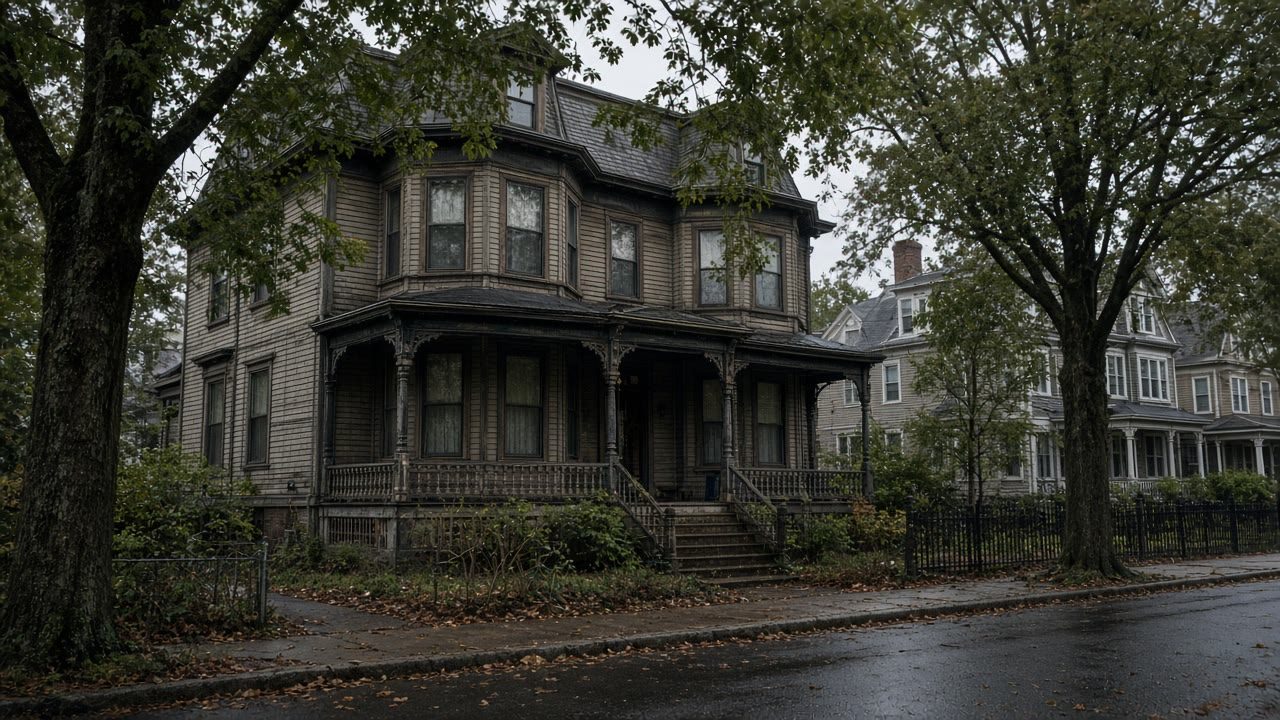
The Cambridge permit stack, in the order it bites
Removal here is a sequence, and the demolition is not the first thing in it. Inspectional Services requires a building permit before any work to alter a structure begins, and it has to be prominently posted at the job, so cutting out wet plaster without one puts the job out of compliance before the first cut. That permit goes to a licensed construction supervisor rather than to you, and the department says plainly why: a homeowner who secures their own permit may be liable for contractors on the property and is not eligible for Home Improvement Contractor protection. Asbestos then needs a city removal permit on top of the state notification, and anything over fifty years old needs Historical Commission approval, which in Cambridge is most of the housing.
Want the approval list for your address?
Send the street and the build year and we will tell you which permits apply to it.
What Cambridge owners ask about permits and delays
Can I pull the permit myself to get started sooner?
You can, and it costs you more than it saves. MGL c.142A s.2 excludes a homeowner who secures their own permits from the Guaranty Fund, and Inspectional Services warns separately that you may be liable for the contractors working on your property. Let the permit go to the licensed supervisor doing the work.
Why would a mold job in Cambridge stop for two weeks?
Asbestos. Where abatement is needed, MassDEP has to have received the notification at least ten working days before it starts, and Cambridge wants its own removal permit as well. That is two calendar weeks of paperwork, and it runs whether or not anyone has scheduled a crew.
Tell us what has to come out
We will sequence the approvals around it so the job does not stall halfway.