
Mold Work in Cambridge, and Which of the Three You Need
The split here is not about licensing, because Massachusetts licenses none of it. It is about the clock and the demolition. If anything is still wet, drying comes first and there may be nothing left to remove afterwards. If it is dry and you can see it, the question is how far it reaches and what has to come out, which is an inspection before it is a removal.
What we arrange
Mold Inspection and Testing
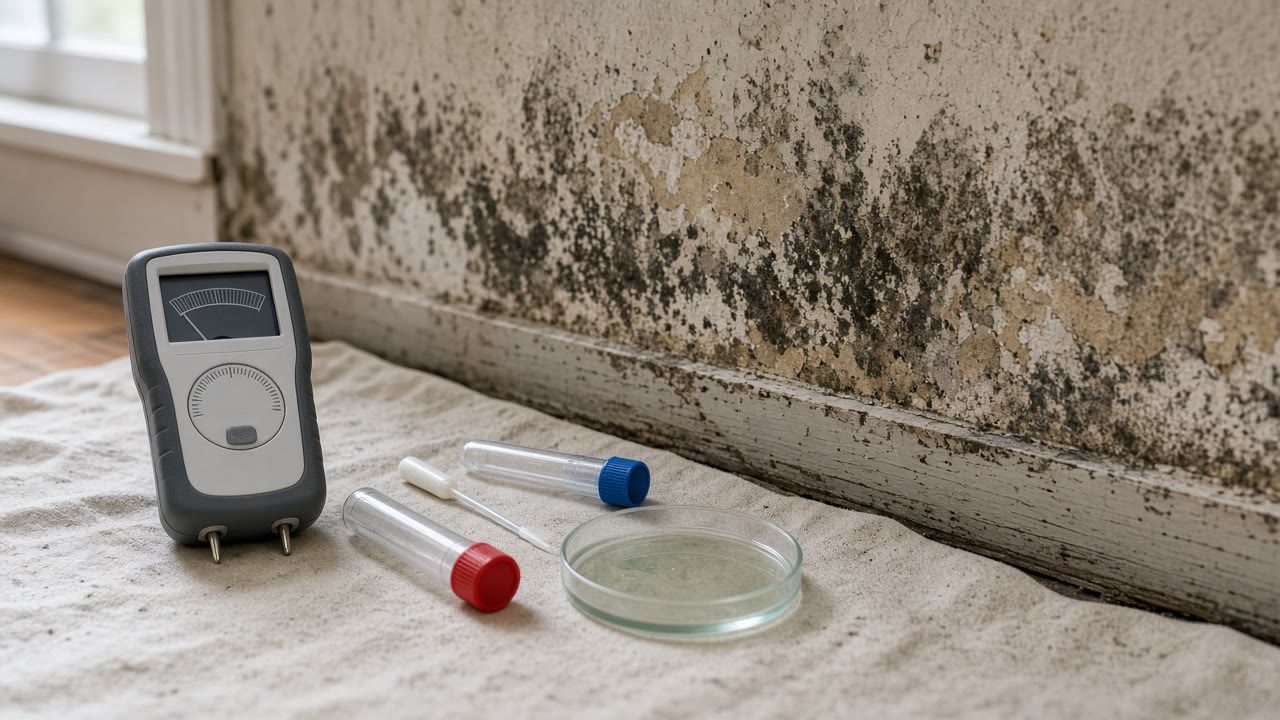
An inspection answers the question you actually have: is this a building fault, how far does it go, and what will putting it right involve. An inspector reads the moisture behind and beneath what you can see with meters and thermal imaging, measures the affected area, photographs it, and hands you a written scope that says what has to come out and what can stay. It also tells you where you stand, which in Massachusetts is sharper than most people expect: under 105 CMR 410.420(A), no room or area in a residence may be used for habitation while it is subject to excess moisture. A wet room is not a decorating problem, it is a room that does not lawfully count as living space until the moisture is dealt with. And because the state issues no mold assessor or mold remediation license, nobody has checked the company standing in your basement, so the readings, the measurements and the written scope are the part anyone can check, and they are what a housing inspector, an insurer or a buyer asks to see.
Read more →Mold Removal and Remediation
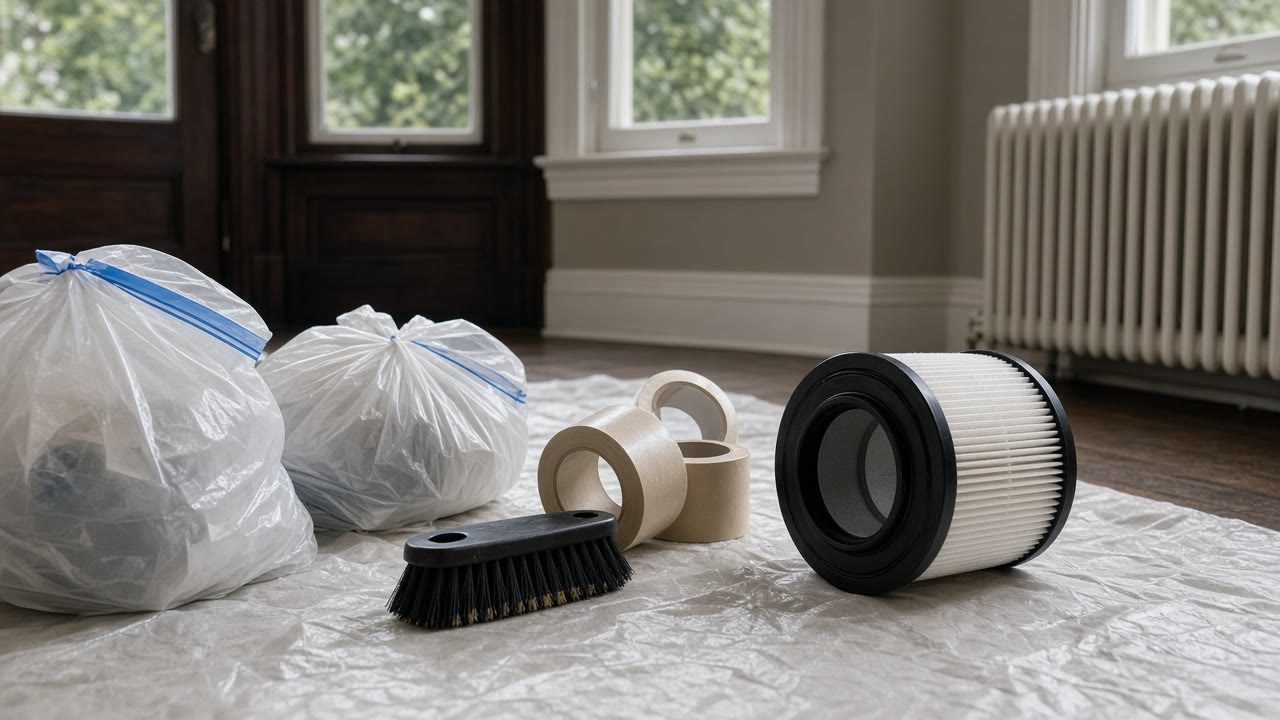
Mold removal is the controlled taking out of the material mold has grown into, and the cleaning and drying of everything that stays. It is not a spray, a fog or a coating. Absorbent material that has been penetrated is cut out and carried away, hard surfaces are cleaned, the structure is dried, and it is all done behind containment so what gets disturbed in one room does not end up in the rest of the house. The step that decides your schedule comes before the demolition. Under 310 CMR 7.15(4), an asbestos inspector and a written survey are required before any renovation that will breach suspect asbestos-containing material, and with 67.9 percent of Cambridge housing built before 1980, that is the normal case here rather than the unlucky one.
Read more →Water Damage Drying and Moisture Control
This is the job that stops the other two being necessary. Standing water comes out, air movers and dehumidifiers dry the framing, the subfloor and the wall cavities, and readings decide when it is finished rather than a hand on the surface. It also covers the slower version of the same problem: a basement that never dries out, condensation running down a cold wall, and summer humidity that sits too high for months. Two clocks agree on the number here. The EPA says material dried within 24 to 48 hours will in most cases not grow mold, and 105 CMR 410.500(B) gives the owner 48 hours from the leak or the end of the event to have every wet surface dry. Inside that window this is a drying job. Outside it, it turns into a removal.
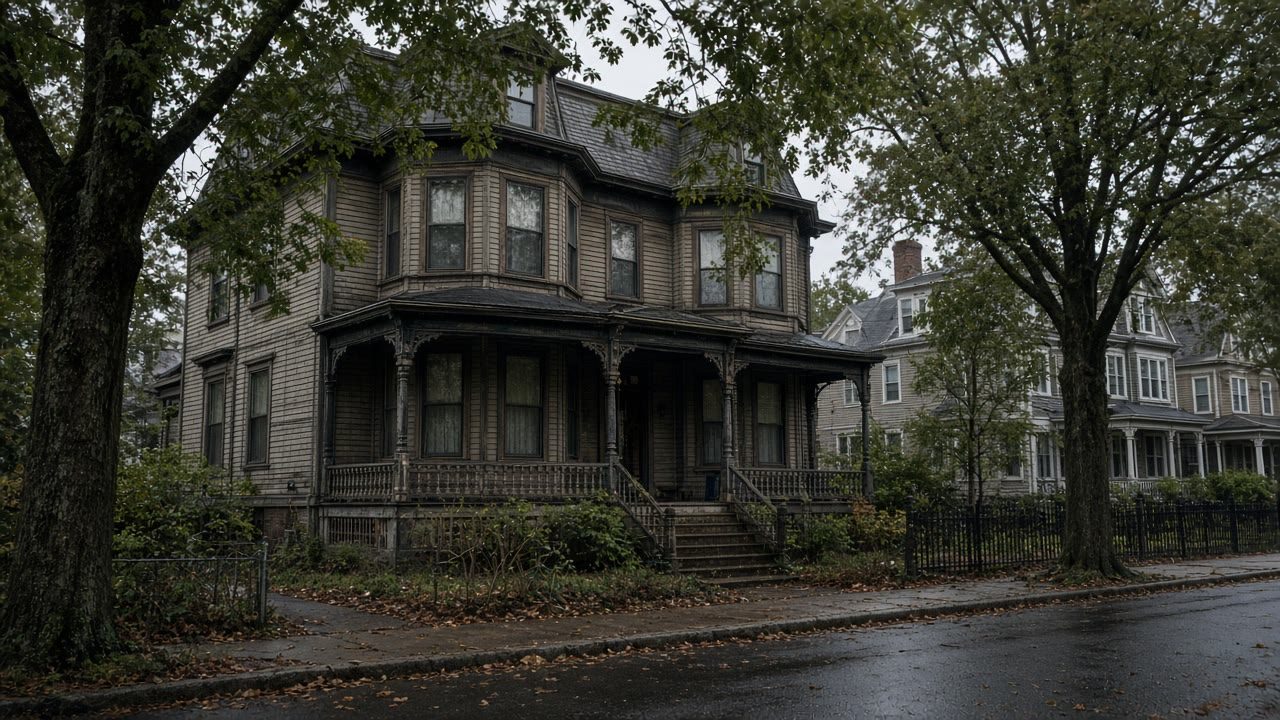
Read more →The equipment these jobs actually arrive with
Not sure which one you need?
Describe the problem and we will point you to the right work.
Request a Quote
Tell us what you can see, where the water came from, and whether anything is still wet. That is usually enough for us to say which trade you need, and whether the job is small enough to handle yourself, before anyone comes out.
Would you rather talk it through? Call (315) 640-3590, answered 24/7.
$100 off your first job
Credited by us on your first booked job.
- One credit per customer per property, on your first booked job.
- Valid through December 31, 2026.
Mention this offer when you book. Full terms.
Tell us what you are seeing
Tell us what you are dealing with and we will take it from there.