
Cambridge and the surrounding Greater Boston area
Mold Removal in Cambridge, With a Straight Answer First
Mold in a Cambridge home is almost always a building fault with a findable cause, so the first thing worth having is a straight answer: what it is, how far it reaches, and what putting it right actually involves. Massachusetts licenses nobody to do this work, which means nobody has checked the company standing in your basement, and what protects you instead is the paperwork: moisture readings, a measured extent, photographs and a written scope. We arrange the inspection, the removal and the drying with licensed and insured local contractors, and we make sure the record is good enough for a housing inspector, an insurer or a buyer.
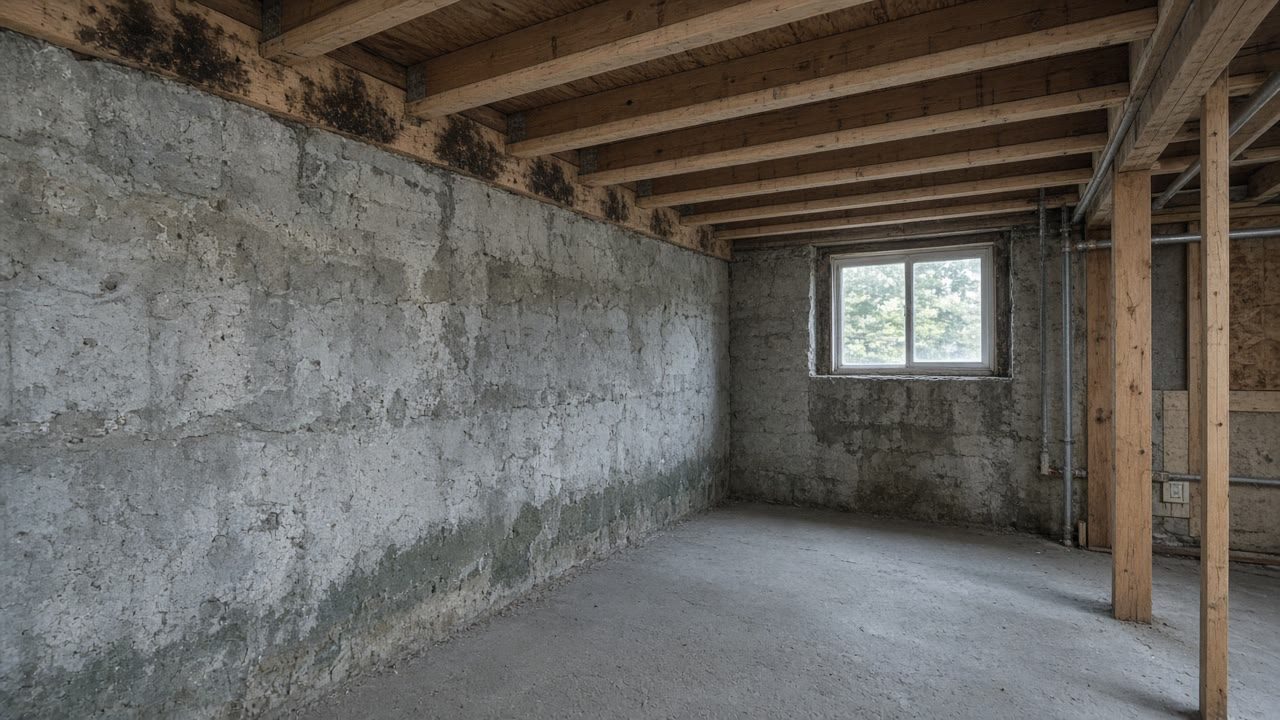
Request a Quote
Tell us what you can see, where the water came from, and whether anything is still wet. That is usually enough for us to say which trade you need, and whether the job is small enough to handle yourself, before anyone comes out.
Would you rather talk it through? Call (315) 640-3590, answered 24/7.
$100 off your first job
Credited by us on your first booked job.
- One credit per customer per property, on your first booked job.
- Valid through December 31, 2026.
Mention this offer when you book. Full terms.
Three separate jobs, and most callers need one of them
The split here is not about licensing, because Massachusetts licenses none of it. It is about the clock and the demolition. If anything is still wet, drying comes first and there may be nothing left to remove afterwards. If it is dry and you can see it, the question is how far it reaches and what has to come out, which is an inspection before it is a removal.
Mold Inspection and Testing
Find out whether you have a real mold problem, how far it reaches and what water is feeding it, before anyone quotes you to take a wall apart.
Start here if you can see it or smell it, and nobody has put a scope in writing yet.
About Mold Testing →Mold Removal and Remediation
Get the mold and the material it grew into out of the building under containment, with the pre-demolition gates cleared first and the room put back afterwards.
Start here if you know where it is, and you want the material out and the room put back.
About Mold Removal →Water Damage Drying and Moisture Control
Get the building dry inside the window where mold never gets started, and fix the humidity or condensation that keeps making it wet.
Start here if water came in within the last two days, or anything is still damp to the touch.
About Water Damage Drying →Not sure whether this needs testing, removal or only drying?
Describe what you are looking at. We will tell you which one it is, and whether it is worth paying for at all.
How a Cambridge mold job runs
The order matters more than the speed. Water first, then the extent in writing, then the demolition once the checks an older building needs are clear.
Tell us what you can see or smell
Call, or send the form with your ZIP code and a few lines about what you are looking at. We work out whether this is a drying job, an inspection or a removal before anyone comes out, and we say so if it is small enough to handle yourself.
Stop the water, then measure how far it went
If anything is still wet, drying comes first: 105 CMR 410.500(B) gives an owner 48 hours from the leak or the end of the flood to have every wet surface dry, and the EPA puts the same 48 hours on it biologically. Once it is dry, an inspector maps the moisture behind the plaster and writes down the extent.
Clear the older-building checks, then open up
310 CMR 7.15(4) requires a written asbestos survey by an inspector before suspect material is breached, and MassDEP has to receive notice 10 working days before any abatement starts. In Cambridge, where 67.9 percent of homes were built before 1980, that is the normal sequence, so we schedule around it rather than discovering it halfway through a demolition.
What makes this a local problem
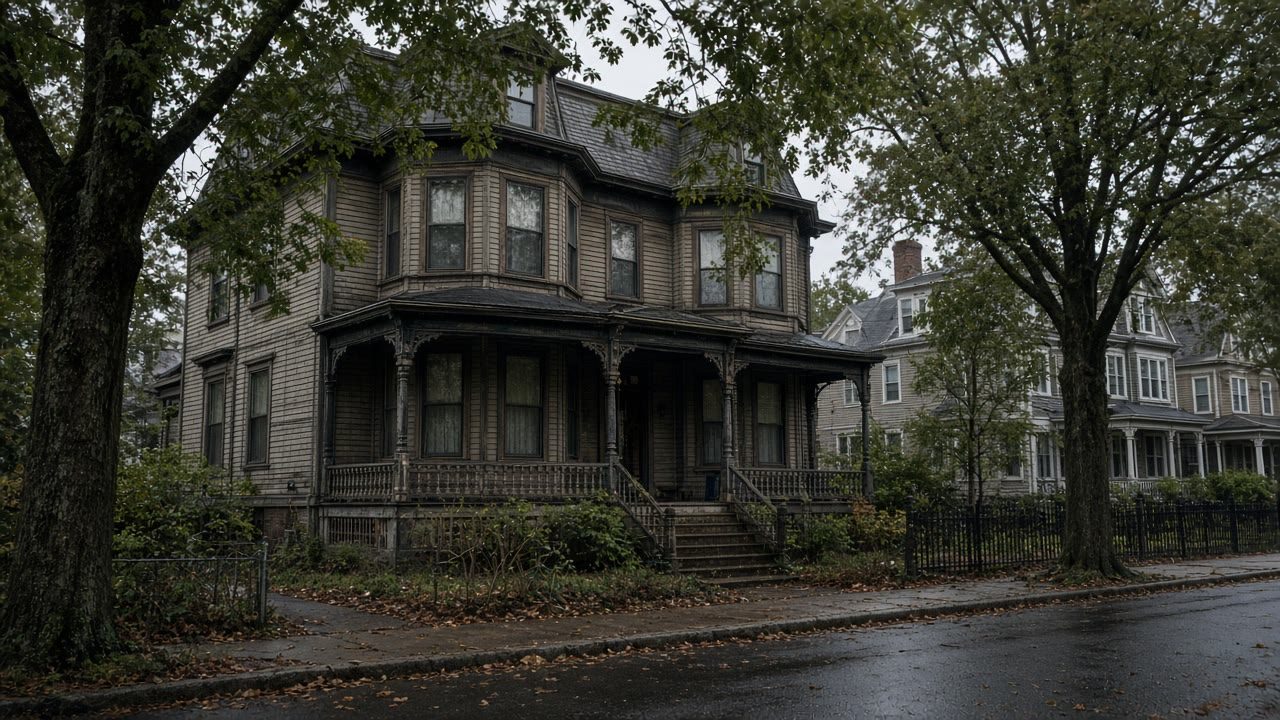
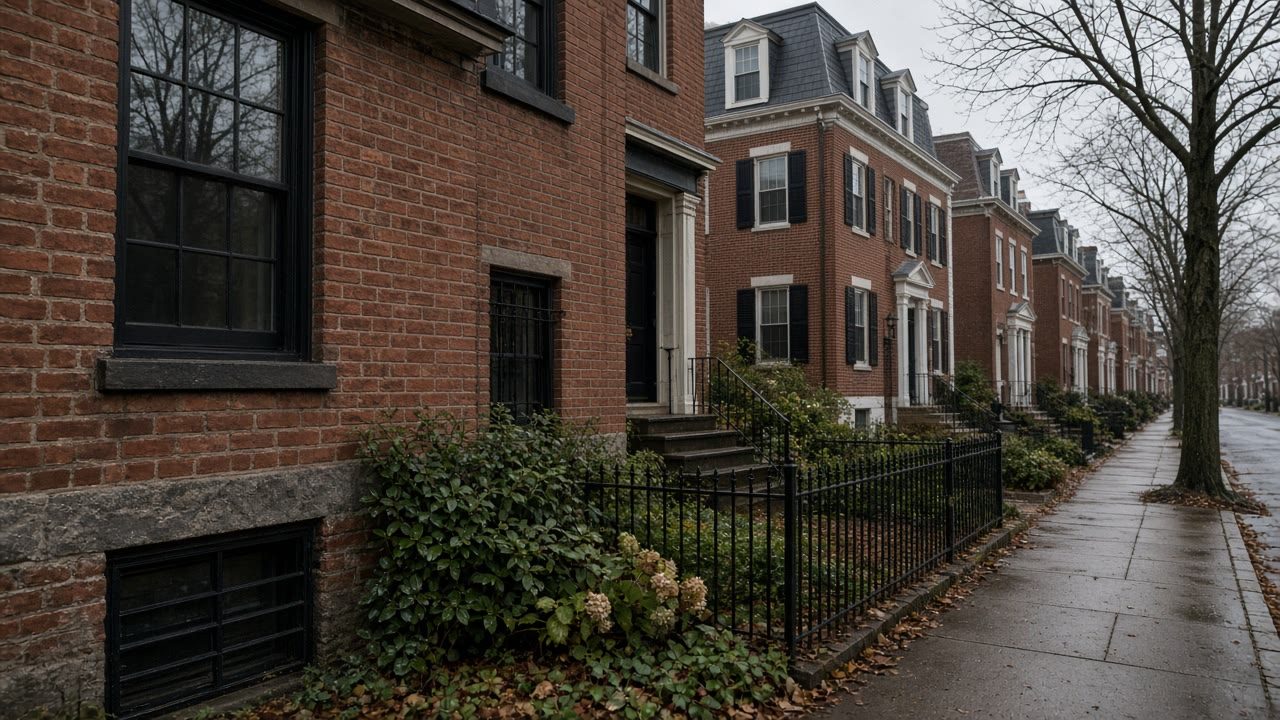
Cambridge has 47.0 percent of its housing units built in 1939 or earlier and a median year of construction of 1950, with 67.9 percent built before 1980. 29.1 percent of its units sit in two, three and four unit structures and 27.1 percent in structures of 50 units or more.
Source: U.S. Census Bureau, American Community Survey 2020-2024 5-year estimates, accessed 2026-09-14
Of Cambridge's 49,444 occupied housing units, 32,897 are renter occupied and 16,547 are owner occupied, so 66.5 percent of Cambridge households rent their home.
Source: U.S. Census Bureau, American Community Survey 2020-2024 5-year estimates, accessed 2026-09-14
In the National Weather Service Boston dew point climatology for Boston Logan Airport, the average daily dew point is 60F or higher on every day from July 7 through August 23, a run of 48 consecutive days.
Source: NOAA National Weather Service, Boston/Norton forecast office, accessed 2026-09-14
MGL Chapter 111 Section 127L names Boston, Worcester and Cambridge as the three cities where a sanitary code violation that may endanger or materially impair a tenant's health is attested by the commissioner of housing inspection rather than by the board of health or a local code enforcement agency.
Source: Massachusetts General Court, accessed 2026-09-14
The law and the biology landed on the same number
If something in your home got wet, the clock that matters started when the water did. The State Sanitary Code at 105 CMR 410.500(B) gives the owner 48 hours from the leak, or from the end of the flood, to have every wet surface dry.
The EPA puts the biological window in the same place: wet or damp material dried within 24 to 48 hours will in most cases not grow mold. Beat that and there is usually nothing left to remediate, which is by a wide margin the cheapest version of this job.
It is why the first thing we ask is whether anything is still wet. Drying and removal are different pieces of work, and starting with the wrong one is money spent twice.
What we check, because Massachusetts does not
There is no Massachusetts mold license to check
The state's regulations license asbestos contractors, deleading contractors, plumbers, gas fitters and electricians, and there is no chapter for mold at all. No agency vets a mold company before it works in your home, so we check what does exist: the trade licenses the job actually touches, the insurance behind them, and a written scope you keep a copy of.
We tell you when you do not need us
The EPA puts a patch under about ten square feet, roughly three feet by three, inside what most homeowners can clean up themselves, and nothing in Massachusetts requires a license either side of that line. If that is what you have, you will hear it on the first call instead of in a quote.
The asbestos survey comes before the saw
310 CMR 7.15(4) needs a written survey by an asbestos inspector before suspect material is breached, and the do-it-yourself exemption is written to exclude rentals, multiple-family and mixed-use buildings. On most Cambridge buildings that survey is the first step, not an unlucky surprise a week into the work.
Who owns the building changes the job
Two thirds of Cambridge households rent, and the duty to deal with dampness runs to the owner. MGL c.111 s.127L names Cambridge as one of only three cities where a violation is attested by the commissioner of housing inspection rather than a board of health, so we can tell you which office you are actually being sent to.
What people ask before they book anything
How much mold do I need before it is worth calling anyone?
If it is a patch smaller than about three feet by three, on a hard surface, and whatever wet it has stopped, you are most likely looking at gloves, a bucket and an afternoon. The EPA puts roughly ten square feet inside what a homeowner can usually handle, and Massachusetts requires no license for them to do it. Tell us what you are looking at and we will say which side of that line you are on before anyone comes out.
Should I pay for a mold test?
Usually not. Where you can already see growth, the EPA's position is that sampling is unnecessary, and the CDC does not recommend mold testing at all on the basis that whatever it is still has to come out. There are also no state or federal limits for airborne mold, so a laboratory number has nothing to be compared against. A test earns its place in two situations: there is a musty smell and no visible source to find, or a housing inspector's order, an insurance claim or a sale needs the extent documented by someone other than you.
Does Massachusetts license mold companies?
No. There is no mold assessor license, no mold remediation license and no state mold credential in Massachusetts, and no state agency checks a mold company before it works in your home. A national survey of state mold law found the same thing: what Massachusetts has is the State Sanitary Code at 105 CMR 410 and tenant remedies, and nothing that licenses a contractor to do this. So ask for the things that can be checked instead: moisture readings, the measured area, photographs, a written scope, and the trade licenses and insurance for the work the job touches.
My landlord says it is condensation, not mold. Where does that leave me?
In a better position than most people expect. Under 105 CMR 410.420(A) no room or area in a residence may be used for habitation while it is subject to excess moisture, so a room that stays wet is not lawfully living space whatever is or is not growing on the wall, and the duty to put that right runs to the owner. Cambridge Inspectional Services runs a housing division that enforces that code and will inspect on request, and what comes out of an inspection is either a letter saying there is no violation or a written order listing the defects with a compliance date on it. Two thirds of Cambridge households rent, so this is the ordinary case here, not an unusual one.
Why can a mold job in an older Cambridge house stop for two weeks?
Because of asbestos, not mold. Before suspect material is breached, 310 CMR 7.15(4) requires a written survey by an asbestos inspector, and if abatement is needed MassDEP has to receive notice 10 working days before it begins. The do-it-yourself exemption is written to exclude rentals, multiple-family and mixed-use buildings, so on a two family or a three family it does not apply. With 67.9 percent of Cambridge homes built before 1980 this is the usual path, nobody can compress the notice period, and anyone promising to start cutting next week has not looked.
Can you give me a price over the phone?
No, and nobody honest can before the extent is written down. We do not carry out or price the work, so what we can do is tell you what moves the number: the area affected, whether the material it grew into can be cleaned or has to come out, whether the water source still has to be fixed, and whether the building's age adds an asbestos or lead step before anything opens up. Asking carries no obligation, and a written extent is what makes any number mean anything at all.
Start with what you can see
Phones are answered around the clock, and there is no obligation in finding out where you stand.