
What Changes the Price of a Cambridge Mold Job
Six things decide it, and none of them can be seen from a description: the area involved, whether the water source has been found and stopped, whether the wet material is porous, whether an asbestos survey is in play, whether the building is rented, and whether ventilation work is needed to stop it recurring. Anyone quoting a figure before they know those six is quoting a different building.
Already know you need someone out? Call (315) 640-3590, answered 24/7.
Why this page has no range on it
Every aggregator and most contractor sites in this market publish a price band for mold work, and every one of those bands is a statement about buildings the author never entered. We are not going to add another, for two reasons. The first is that this operation does not set the contractor's price, so a number here would be a guess dressed up as a quote. The second is that the scope of the finished job is defined by something wider than the wall: 105 CMR 410.020 defines Compliance as not merely correcting the violation in a workmanlike fashion but restoring all parts of the dwelling to the condition they were in before, with an official signing off where a building, plumbing or wiring permit was needed. Two jobs with the same square footage of growth and different finishes, and different permits behind them, are not the same job. What follows is the six variables that genuinely move it, so you can work out roughly where you sit before anybody visits.
One: the area, measured against ten square feet
This is the biggest single lever and the cheapest one to settle yourself. The EPA advises that if the moldy area is less than about ten square feet, roughly a three foot by three foot patch, in most cases a homeowner can handle the cleanup themselves. Under that line, the realistic cost of the whole exercise is a cleaning product, an afternoon and possibly a replacement ceiling tile. Over it, you move into containment, protective equipment, controlled demolition and disposal, and the price step between those two worlds is far larger than the step between a twelve square foot job and a twenty square foot one. So measure it, and measure generously: soft plaster, hollow sounding drywall or a stain that runs away from the patch all mean the affected area is bigger than the visible one.
Two: whether the water has been found and stopped
A job with a known, stopped source is a bounded job. A job with an unexplained source is an investigation attached to a job, and it carries the risk that the same wall is opened twice. Look at what the EPA actually tells households to do about mold and none of it is about mold: hold indoor relative humidity between 30 and 60 percent, vent bathrooms and dryers to the outside, use air conditioners and dehumidifiers, increase ventilation. A removal carried out with the source still running is money spent on a symptom. The timing matters as much as the diagnosis. 105 CMR 410.500(B) requires all surfaces to be dried within 48 hours of notification or the end of the event, and material dried inside that window frequently never becomes a removal job at all. The cheapest mold job in this city is the water damage job that happened fast enough.
Three: what the wet material actually is
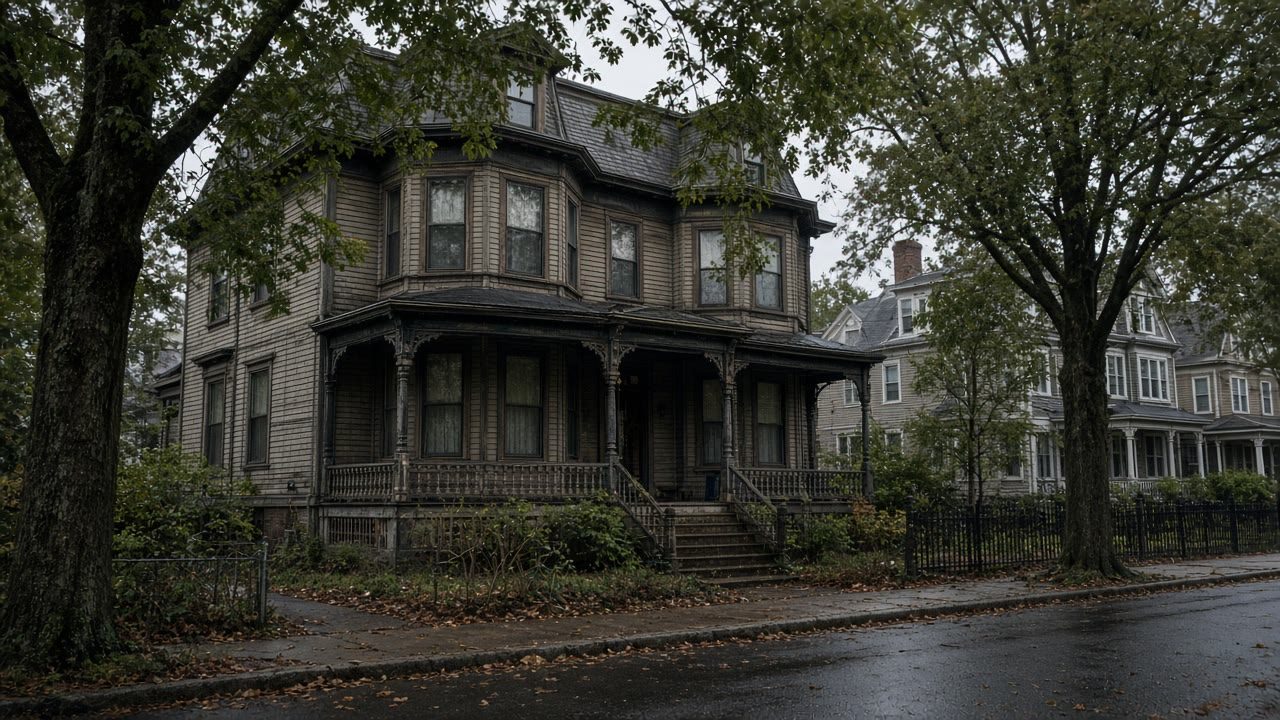
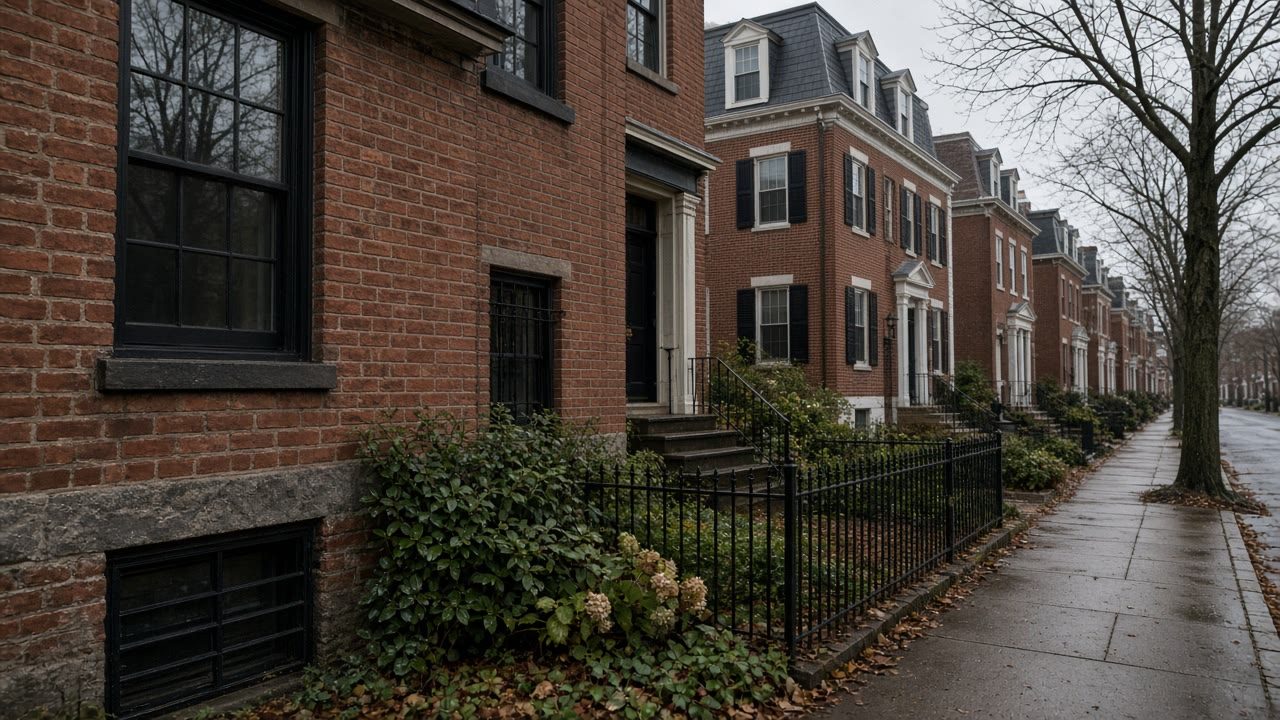
Hard, non porous surfaces clean. Absorbent ones leave. The EPA notes that absorbent or porous materials such as ceiling tiles and carpet may have to be thrown away because mold can grow into them and complete removal is difficult, and that single distinction reorganizes a quote: tile and concrete are labor, while carpet, pad, insulation, ceiling tiles and wet plaster are demolition, disposal and then replacement. The housing here pushes the balance toward the expensive side. Cambridge has 47.0 percent of its units built in 1939 or earlier and a median construction year of 1950, which in practice means plaster on wood lath rather than screwed drywall, layered flooring rather than one finish, and cavities that hold water quietly. Removing and rebuilding lath and plaster is a different trade from cutting out a drywall panel.
Four: whether the asbestos survey and its ten working days are in play
This is the factor that moves the schedule more than the invoice, and schedule is cost when a room is out of use. 310 CMR 7.15(4) requires a written asbestos survey by an inspector before any renovation that will breach suspect material, including wall cavities, above ceilings and between layers of flooring. If the result comes back at or above the regulation's threshold, 310 CMR 7.15(6)(a) requires MassDEP to receive the notification at least ten working days before abatement begins. And the do it yourself exemption will not help you here: 310 CMR 7.15(1) excludes rental property, multiple-family buildings and mixed use buildings from the definition of an owner occupied single family residence. On a triple decker or a rented two family, plan for the survey, the wait and a separate licensed trade before the mold demolition starts.
Five: whether the building is rented, which changes your protections
The same work on the same wall carries different legal backing depending on who lives there. MGL c.142A s.2 requires any residential contracting agreement above the chapter's one thousand dollar threshold to be in writing with ten specified items, and caps any advance deposit at the greater of one third of the contract price or the actual cost of special order materials, with no final payment demandable until the work is complete to the satisfaction of the parties. But s.1 limits all of that to a pre-existing owner occupied building of one to four dwelling units, and a building the owner does not occupy falls outside the chapter, so neither the registration duty nor the Residential Contractor's Guaranty Fund reaches it. With 66.5 percent of Cambridge households renting, that is the majority situation here, and it means a landlord's contract has to be tighter precisely because there is no Fund behind it.
Six: whether ventilation work is needed to stop it coming back
A removal that leaves the conditions unchanged buys you a repeat, so the honest scope sometimes includes work that is not mold work at all. 105 CMR 410.280 requires ventilation to the outdoors for every habitable room and every room with a toilet, bathtub or shower, either through openable area of at least 4 percent of the room's floor area or through mechanical ventilation at 2 air changes per hour for a habitable room and 5 for a bath, toilet or shower room. Interior bathrooms in older stock here rarely reach 4 percent, which means a fan ducted outdoors rather than a window. And opening a window is no answer for much of the year: the average daily dew point at Logan is 60F or higher on every day from July 7 through August 23, so summer air imports moisture into a cool room rather than removing it. A dehumidifier and a duct are cheap against doing the demolition twice.
What a written price has to contain, and what it protects
Whatever the number turns out to be, the document around it is what you can actually check. On an owner occupied one to four unit building, MGL c.142A s.2 sets out the ten items a residential contract above its threshold must carry, including a detailed description of the work and materials, the start and substantial completion dates, the total price and a payment schedule, and the deposit cap above. If the work is then done badly, MGL c.93A s.9 requires a written demand for relief mailed or delivered at least 30 days before filing suit, and allows a court to award two to three times actual damages plus fees for a willful violation or a bad faith refusal to settle on demand. Read those as a specification for the paperwork you should be asking for on any building, including one where the statute does not reach.
The cheapest outcome, which is sometimes no job at all
Work through the six and a fair number of situations resolve downward rather than upward: a small measured patch, an obvious stopped source, a hard surface, a post 1980 building, an owner occupier and a bathroom fan that already vents outdoors is an afternoon, not a project. We would rather tell you that than sell you the alternative, and the reason is not modesty. This trade's biggest problem is that people expect an invented problem, so the only durable way to be useful is to be checkable. Send the measurement, the photographs, the age of the building and what you know about the water, and you will get an answer about which of these six factors actually apply to you. Where the work is real, we arrange it with local contractors licensed and insured for the trades involved and priced against a written scope you can hold them to.
Sources used in this guide
The EPA advises that if the moldy area is less than about ten square feet, roughly a three foot by three foot patch, in most cases a homeowner can handle the cleanup themselves.
Source: U.S. Environmental Protection Agency, accessed 2026-09-14
The EPA recommends reducing indoor relative humidity to between 30 and 60 percent to decrease mold growth, by venting bathrooms and dryers to the outside, using air conditioners and dehumidifiers and increasing ventilation.
Source: U.S. Environmental Protection Agency, accessed 2026-09-14
The EPA notes that absorbent or porous materials such as ceiling tiles and carpet may have to be thrown away, because mold can grow into them and complete removal is difficult.
Source: U.S. Environmental Protection Agency, accessed 2026-09-14
105 CMR 410.500(B) states that in the event of leaks and flooding the owner shall ensure all surfaces have been dried within 48 hours from the time they are notified or the end of the event, whichever is sooner.
Source: Massachusetts Department of Public Health, via Cornell Legal Information Institute, accessed 2026-09-14
105 CMR 410.020 defines Compliance to mean not only correcting a violation in a work-personlike fashion but also restoring all parts of the dwelling to the condition they were in before the violation occurred, and where a building, plumbing or wiring permit was needed, the appropriate official signing off that the work was completed in accordance with applicable laws.
Source: Massachusetts Department of Public Health, via Cornell Legal Information Institute, accessed 2026-09-14
105 CMR 410.280 requires the owner to provide ventilation to the outdoors for every habitable room and every room containing a toilet, bathtub or shower, either through windows, skylights, doors or transoms in the exterior walls or roof that open to a minimum of 4 percent of that room's floor area, or through mechanical ventilation capable of exhausting air at 2 air changes per hour for habitable rooms and 5 air changes per hour for bath, toilet or shower rooms. A skylight that exposes the interior to direct rainfall when open does not satisfy the requirement.
Source: Massachusetts Department of Public Health, via Cornell Legal Information Institute, accessed 2026-09-14
310 CMR 7.15(4) requires the owner or operator of a facility containing suspect asbestos-containing material to engage an asbestos inspector before any demolition or renovation and to obtain a written asbestos survey report covering everywhere the work will breach, including wall cavities, areas above ceilings and spaces under and between multiple layers of flooring. The only exception is the owner of an owner-occupied single-family residence doing the work themselves on non-friable material alone.
Source: Massachusetts Department of Environmental Protection, via Cornell Legal Information Institute, accessed 2026-09-14
310 CMR 7.15(6)(a) requires a completed asbestos notification form and any applicable fee to be received by the Massachusetts Department of Environmental Protection at least ten working days before asbestos abatement begins, and a working day is any day the Department is open for business.
Source: Massachusetts Department of Environmental Protection, via Cornell Legal Information Institute, accessed 2026-09-14
310 CMR 7.15(1) defines owner-occupied single-family residence to exclude rental property, multiple-family buildings and mixed use commercial and residential buildings, so the do-it-yourself asbestos exemption in 310 CMR 7.15(6)(f)3 is not available on a two-family, a three-family or a rented single-family.
Source: Massachusetts Department of Environmental Protection, via Cornell Legal Information Institute, accessed 2026-09-14
MGL Chapter 142A Section 2 requires every agreement to perform residential contracting services in excess of one thousand dollars to be in writing and to contain ten specified items, including a detailed description of the work and materials, the start and substantial completion dates, the total price and a payment schedule. Section 1 limits residential contracting to work on a pre-existing owner occupied building of one to four dwelling units, so the requirement does not reach a rented two or three family house.
Source: Massachusetts General Court, accessed 2026-09-14
MGL Chapter 142A Section 1 defines residential contracting as the reconstruction, alteration, renovation, repair, modernization, conversion, improvement, removal or demolition of, or construction of an addition to, a pre-existing OWNER OCCUPIED building containing at least one but not more than four dwelling units, and defines Owner as a homeowner of such a building or a tenant of it. A building the owner does not occupy falls outside the chapter entirely, so neither the registration duty nor the Residential Contractor's Guaranty Fund reaches it.
Source: Massachusetts General Court, accessed 2026-09-14
MGL Chapter 142A Section 2 limits any deposit required in advance of the start of work to the greater of one third of the total contract price or the actual cost of special order or custom made materials, and provides that no final payment shall be demanded until the contract is completed to the satisfaction of the parties. This applies to residential contracting as Section 1 defines it, meaning a pre-existing owner occupied building of one to four dwelling units, and not to a rented two or three family house.
Source: Massachusetts General Court, accessed 2026-09-14
MGL Chapter 93A Section 9 requires a written demand for relief to be mailed or delivered at least 30 days before filing, and provides that a court finding for the consumer shall award actual damages or twenty five dollars whichever is greater, up to three but not less than two times that amount for a willful or knowing violation or a bad faith refusal to grant relief on demand, plus reasonable attorney's fees and costs.
Source: Massachusetts General Court, accessed 2026-09-14
Of Cambridge's 49,444 occupied housing units, 32,897 are renter occupied and 16,547 are owner occupied, so 66.5 percent of Cambridge households rent their home.
Source: U.S. Census Bureau, American Community Survey 2020-2024 5-year estimates, accessed 2026-09-14
Cambridge has 47.0 percent of its housing units built in 1939 or earlier and a median year of construction of 1950, with 67.9 percent built before 1980. 29.1 percent of its units sit in two, three and four unit structures and 27.1 percent in structures of 50 units or more.
Source: U.S. Census Bureau, American Community Survey 2020-2024 5-year estimates, accessed 2026-09-14
In the National Weather Service Boston dew point climatology for Boston Logan Airport, the average daily dew point is 60F or higher on every day from July 7 through August 23, a run of 48 consecutive days.
Source: NOAA National Weather Service, Boston/Norton forecast office, accessed 2026-09-14
Services this guide relates to
Need someone to look at it?
Send the details and we will come back to you.