
Cambridge Mold Testing: Two Flood Paths, One Answer
Send the street and we will tell you which way water reaches your cellar, how far it has already traveled, and whether there is a job here at all.
Mold Testing quote in Cambridge
Tell us what you can see, where the water came from, and whether anything is still wet. That is usually enough for us to say which trade you need, and whether the job is small enough to handle yourself, before anyone comes out.
Would you rather talk it through? Call (315) 640-3590, answered 24/7.
$100 off your first job
Credited by us on your first booked job.
- One credit per customer per property, on your first booked job.
- Valid through December 31, 2026.
Mention this offer when you book. Full terms.
The city's own flood modeling, in short
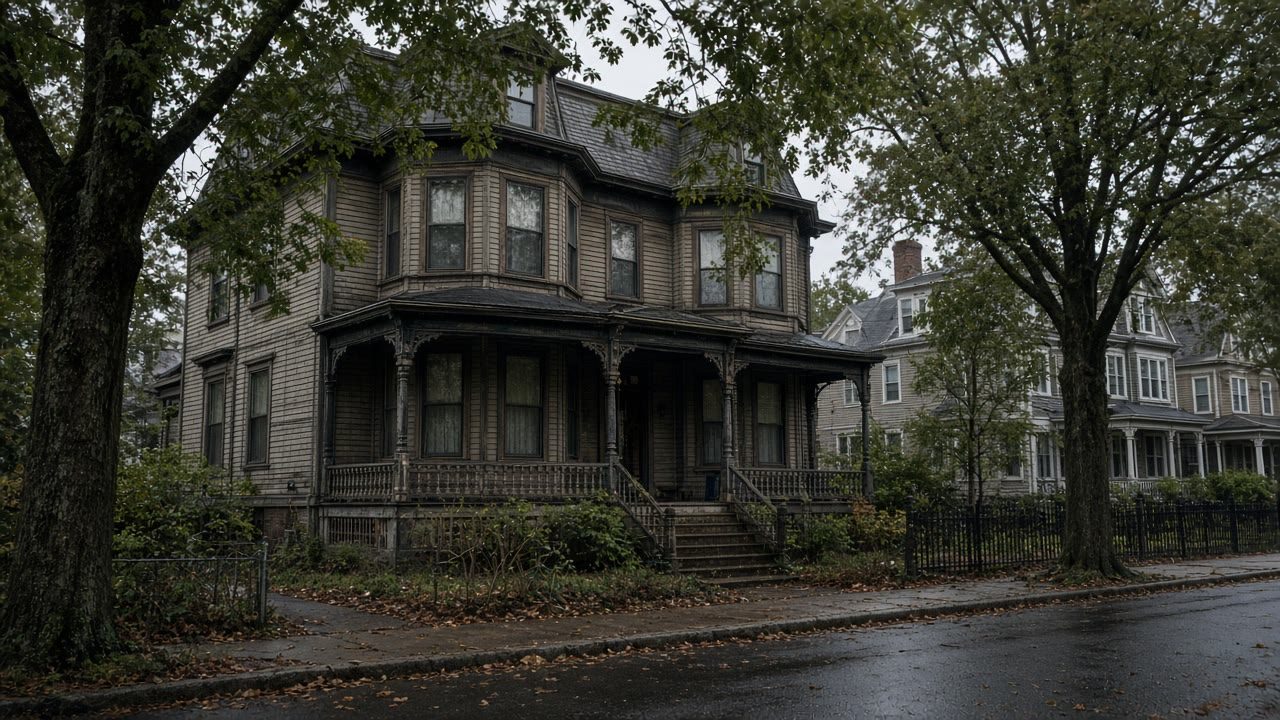
The Cambridge assessment concludes that the Charles River and Alewife basins have different flood mechanisms: flooding in the Alewife basin is mostly driven by overbank flooding, while on the Charles side the city is not expected to see major overbank flooding at the 1 percent probability in 2070 and the inland flooding instead comes from a flood wave propagating through piped infrastructure.
Source: City of Cambridge, Massachusetts, Climate Change Vulnerability Assessment Part 2, accessed 2026-09-14
FEMA's NFIP claims dataset records 15 flood insurance claims for the City of Cambridge with loss years from 2010 to 2025 and about $107,000 in net building and contents payments. Thirteen of the 15 were rated in flood zone X, outside the mapped high-risk flood zone, and nine of the 15 were caused by accumulation of rainfall or snowmelt rather than by any river or tidal overflow.
Source: Federal Emergency Management Agency, OpenFEMA NFIP Redacted Claims v2, accessed 2026-09-14
Of Cambridge's 49,444 occupied housing units, 32,897 are renter occupied and 16,547 are owner occupied, so 66.5 percent of Cambridge households rent their home.
Source: U.S. Census Bureau, American Community Survey 2020-2024 5-year estimates, accessed 2026-09-14
Two basins, two ways water gets into a Cambridge cellar
Testing in this city starts with a street address, because Cambridge has two different water paths and they lead to two different repairs. The city's own vulnerability assessment found that the Alewife basin floods mostly over the bank, while on the Charles side it expects no major overbank flooding at all and expects instead a flood wave traveling through piped infrastructure and surfacing inside buildings. A meter reading tells you how wet the material is. Knowing which of those two paths fed it tells you whether you are buying a grading and gutter job or a backflow device on a drain.
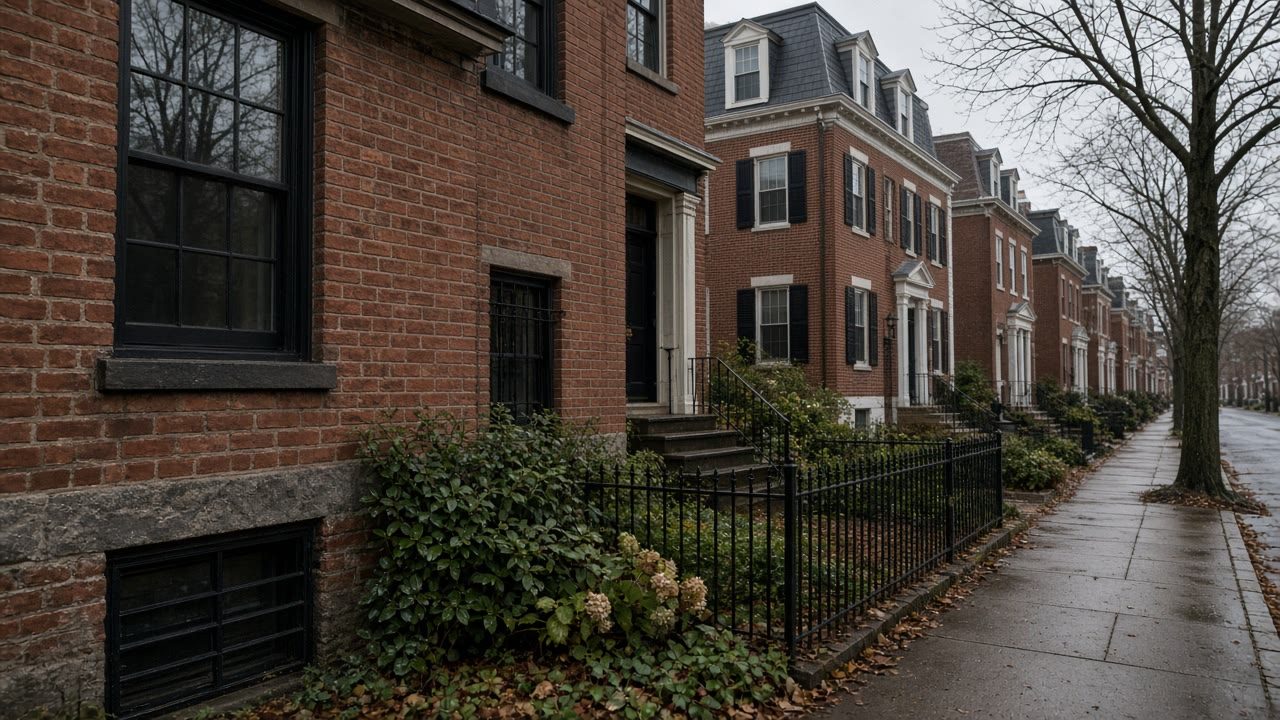
What a Cambridge report has to stand up to
Weigh the paperwork you are going to need before you decide how much testing to buy. Thirteen of the fifteen paid flood claims in Cambridge were rated in zone X, outside the mapped high-risk area, and nine of them came from rainfall or snowmelt piling up, so a zone X letter proves nothing about your cellar and will not carry an insurance conversation on its own. Dated moisture readings, photographs and a measured area will. Two thirds of Cambridge households rent, so the second question is who owns the building, because the duty to deal with it runs to the owner and not to whoever found it.
Which basin your street drains to
North of the city the water comes over the bank. Near the Charles it comes up through the pipe. The same wet wall has two different causes and two different fixes.
Who owns the building
With 32,897 of the city's 49,444 occupied units rented, the person who reports a damp wall in Cambridge is usually not the person the code puts the duty on.
What the document has to survive
An insurer, a buyer's inspector and the city housing division each ask for the same three things: the measured area, dated readings and photographs. One file covers all three.
Not sure a test is worth the money?
Describe what you can see and we will say plainly whether testing changes anything.
After the testing: removal and drying in Cambridge
What Cambridge owners ask before paying for a test
We are outside the flood zone. Doesn't that mean the cellar is fine?
No. Thirteen of the fifteen paid flood claims in this city were rated outside the mapped high-risk zone and nine came from rain and snowmelt accumulating rather than a river rising. Being in zone X tells you what your lender needs. It tells you nothing about the yard, the roof or the drain.
I can already see the black stuff. Is a test still worth the money?
Often not, and we will say so. Where growth is visible and the cause is obvious, a test rarely changes what happens next. Where the smell is real and nobody can find the source, or a sale, a claim or a city inspection needs documenting, the readings earn their fee.
Send the street and what you have found
We will name the likely path the water took and what it would take to prove it.