
Water Damage Drying Along the Brookline Riverway
Channel water is not clean rain, so along the Riverway the first decision is what leaves the building rather than what dries.
Water Damage Drying quote in Brookline
Tell us what you can see, where the water came from, and whether anything is still wet. That is usually enough for us to say which trade you need, and whether the job is small enough to handle yourself, before anyone comes out.
Would you rather talk it through? Call (315) 640-3590, answered 24/7.
$100 off your first job
Credited by us on your first booked job.
- One credit per customer per property, on your first booked job.
- Valid through December 31, 2026.
Mention this offer when you book. Full terms.
Why Riverway water is removed and not dried
The Muddy River runs 3.5 miles through Brookline and Boston in a narrow stone and concrete channel, it has major recorded stormwater flooding problems, and it has the worst water quality of any above-ground tributary in the Charles watershed, with an Army Corps restoration involving riverbank work and dredging running since 2014. That is the entire reason a wet basement on the Riverway edge is handled differently from a wet basement a mile inland. Where channel water got in, carpet, pad, batt insulation and the bottom band of drywall are bagged and carried out, and the equipment then works on what is left: framing, masonry and subfloor, with readings closing the job.
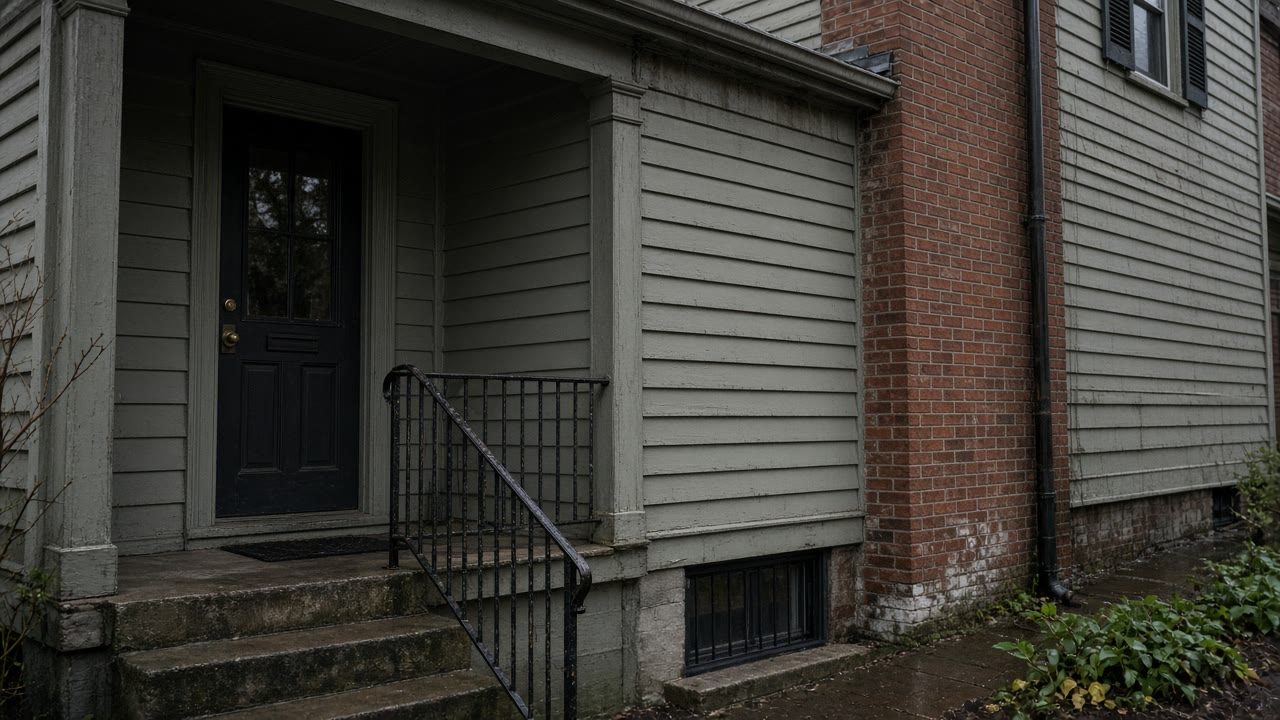
What water damage drying involves in Brookline
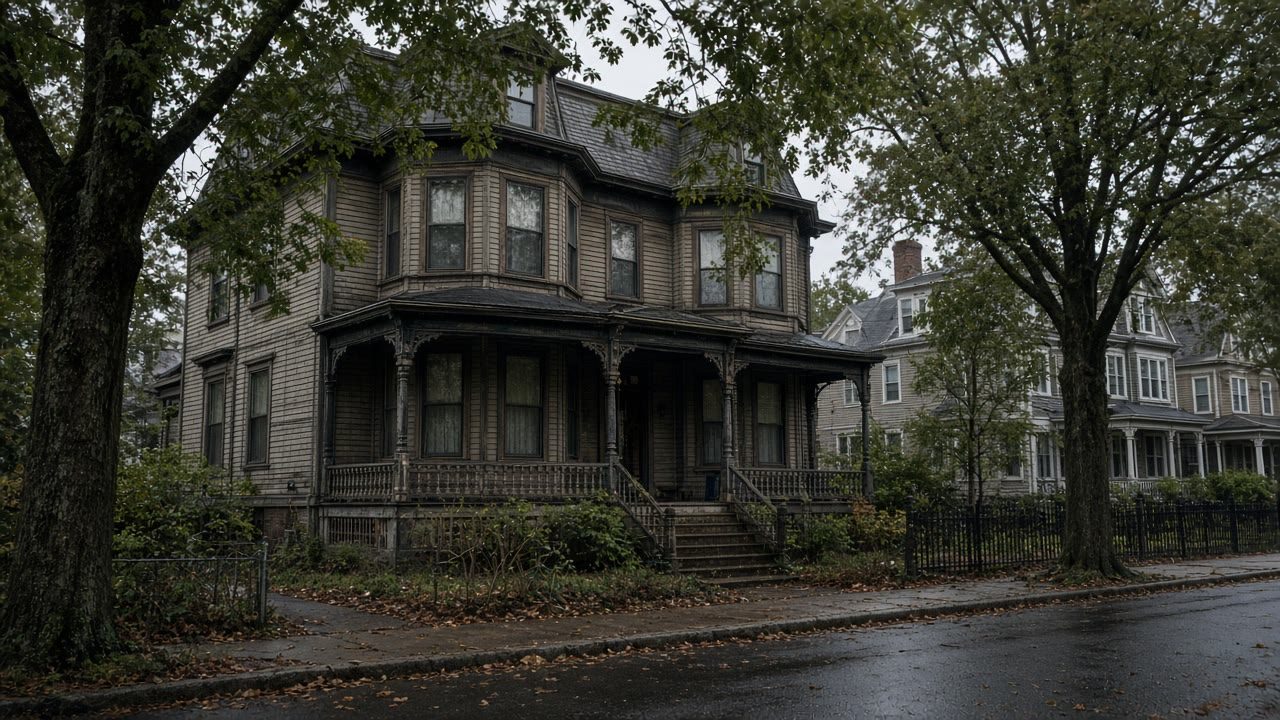
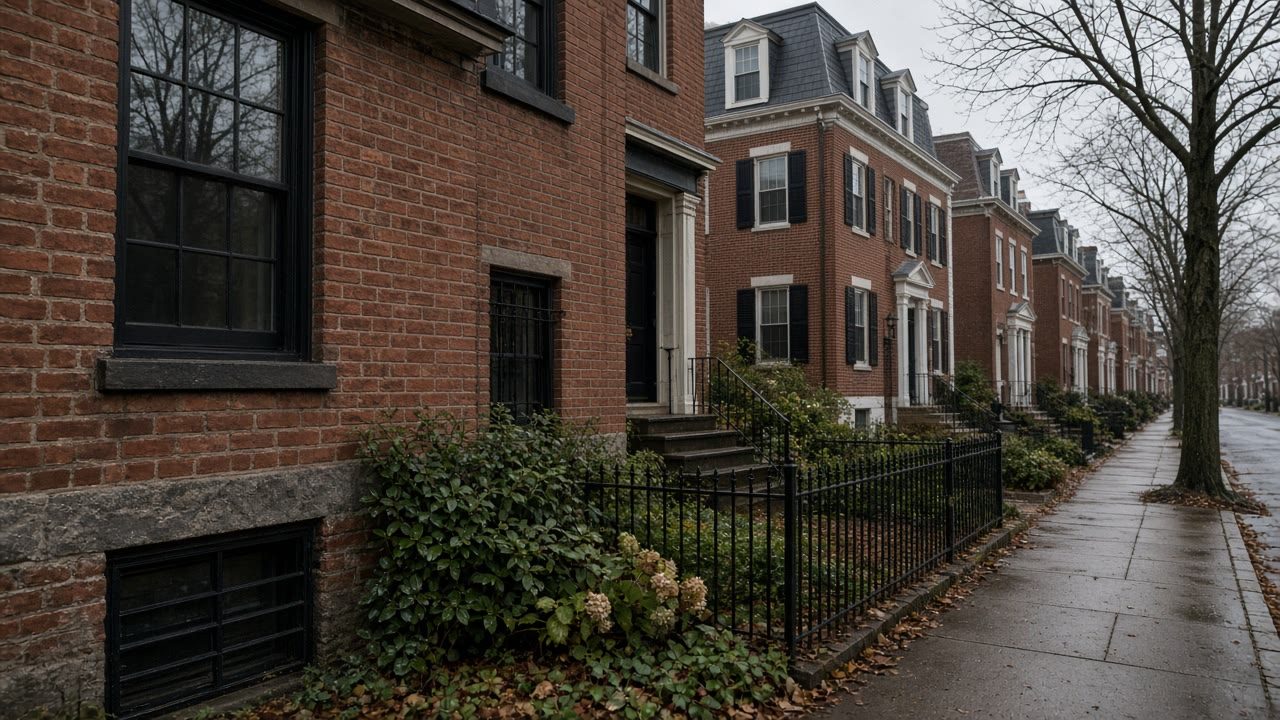
Planning for the next storm, not only this one
Inland, weigh something far more ordinary. This town has paid three flood claims in its entire record, so the odds are heavily that what is wetting your basement is a downspout discharging at the foundation, ground pitched back at the house, or a pipe, and each of those has a cheap fix once somebody finds it. Along the channel the constraint is capacity rather than your property, so plan for a repeat instead of a one-off: nothing absorbent goes back below the line the water reached last time, and anything stored down there moves onto shelving above it. That single choice is what turns the next event from a demolition into a mop.
Whether the water came from the channel
Channel water moves porous material onto the removal list. Rain from a blocked downspout usually does not. The two look identical on arrival.
The line the water reached
Mark it. It sets the cut height, the rebuild specification and the shelf height for everything you store down there.
What a downspout can fix
Most of this town's damp is a discharge point, a grade or a pipe, and those cost very little to correct once the source is identified.
The Muddy River channel and Brookline's claim record
The Charles River Watershed Association describes the Muddy River as 3.5 miles long, running through Boston and Brookline in a narrow stone and concrete channel, with major problems with stormwater flooding, the worst water quality of any above-ground tributary in the Charles watershed, and an Army Corps restoration involving riverbank work and dredging under way since 2014.
Source: Charles River Watershed Association, accessed 2026-09-14
FEMA's NFIP claims dataset records three flood insurance claims for the Town of Brookline, in 2014, 2022 and 2023, with about $54,000 in net payments concentrated in a single claim. All three were rated in flood zone X.
Source: Federal Emergency Management Agency, OpenFEMA NFIP Redacted Claims v2, accessed 2026-09-14
The EPA notes that absorbent or porous materials such as ceiling tiles and carpet may have to be thrown away, because mold can grow into them and complete removal is difficult.
Source: U.S. Environmental Protection Agency, accessed 2026-09-14
Water in from the channel?
Tell us how far in it came and we will start with what has to leave.
Testing and removal after a Brookline soaking
What Brookline owners ask after the Riverway floods
Can the carpet be dried and cleaned instead of thrown out?
Not where channel water reached it. The EPA notes that absorbent and porous materials such as carpet and ceiling tiles may have to be discarded because mold grows into them and complete removal is difficult, and water from the worst-quality tributary in the watershed is not the case to make an exception for.
We are a block back from the Riverway. Is our water the same problem?
Probably not, and that is good news. A block inland the usual culprits are a downspout at the wall, a negative grade or a supply line, all of which dry normally once stopped. We ask where the water first appeared before assuming anything about the channel.
Tell us the high water line
It decides what dries, what goes, and what should not go back.