
Arlington Mold Testing Where the Flood Map Is Right
Before anything goes back in below grade, it is worth knowing whether your address is one of the 35 the mapped zone actually predicted.
Mold Testing quote in Arlington
Tell us what you can see, where the water came from, and whether anything is still wet. That is usually enough for us to say which trade you need, and whether the job is small enough to handle yourself, before anyone comes out.
Would you rather talk it through? Call (315) 640-3590, answered 24/7.
$100 off your first job
Credited by us on your first booked job.
- One credit per customer per property, on your first booked job.
- Valid through December 31, 2026.
Mention this offer when you book. Full terms.
Arlington's claim clusters and the Alewife advisory
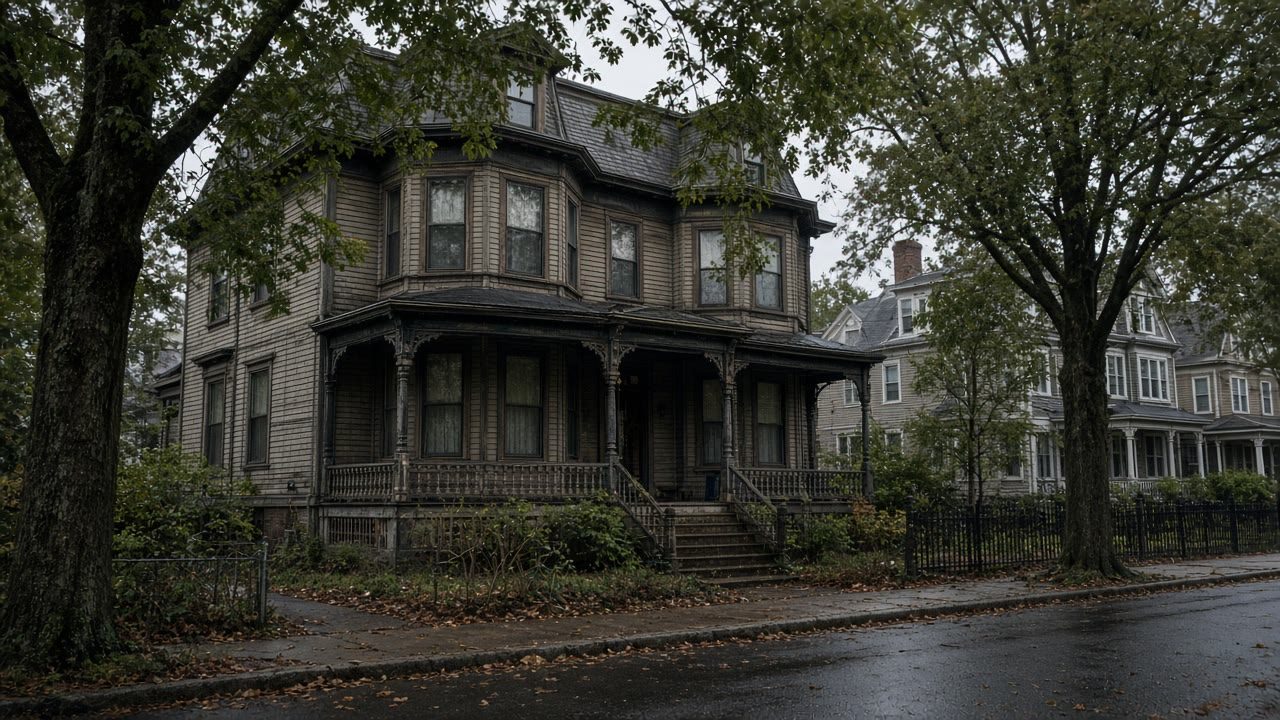
FEMA's NFIP claims dataset records 43 flood insurance claims for the Town of Arlington, more than any other town of its size in this coverage area, with loss years from 2001 to 2024 and about $545,000 in net payments. Thirty-five of the 43 were rated in flood zone AE, inside the mapped high-risk floodplain, with 12 claims in 2017 and nine in the March 2010 nor'easter.
Source: Federal Emergency Management Agency, OpenFEMA NFIP Redacted Claims v2, accessed 2026-09-14
The same release states that because of increased health risks, public health officials recommend avoiding contact with the Alewife Brook and Upper Mystic River Basin during rain events and for a period of 48 hours following rainfall, and that contact with floodwaters should also be avoided.
Source: City of Cambridge, Massachusetts Water Resources Authority and City of Somerville, accessed 2026-09-14
Arlington has 47.1 percent of its housing units built in 1939 or earlier and a median year of construction of 1945, with 85.8 percent built before 1980. 37.9 percent of its units are single-family detached and 38.4 percent of occupied units are rented.
Source: U.S. Census Bureau, American Community Survey 2020-2024 5-year estimates, accessed 2026-09-14
Thirty-five Arlington claims inside the mapped zone
Arlington is the one town in this coverage area where the flood map earns its reputation. FEMA records 43 paid flood claims here, about $545,000 in net payments, and 35 of the 43 were rated in zone AE, inside the mapped high-risk floodplain, with twelve claims in 2017 and nine in the March 2010 nor'easter. Testing in a town like that answers a different question from testing somewhere with three claims in its whole record. It is not only where the water got in. It is how high it reached, how often it reaches that height, and whether the material you are planning to put back below grade will survive the next cluster.
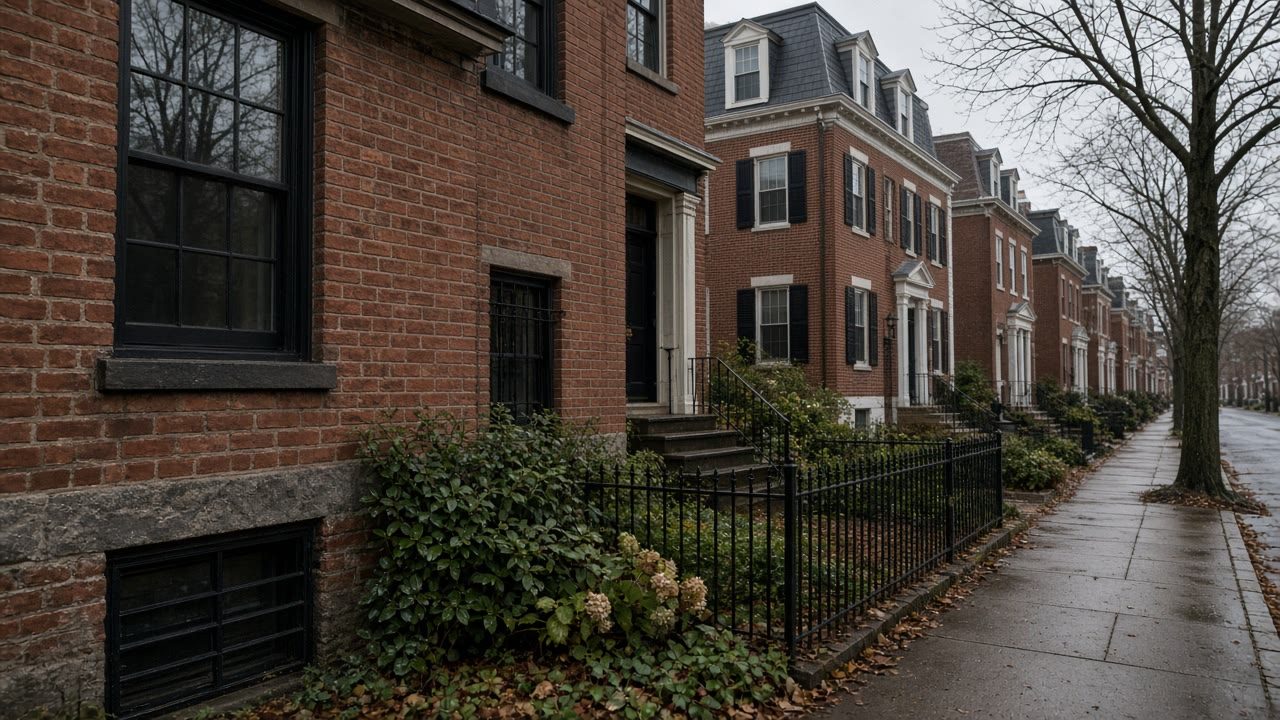
Record the high water line, not just the readings
So ask for the high water line to be recorded and not just the moisture readings. Public health officials advise avoiding contact with the Alewife Brook and the Upper Mystic River Basin during rain and for 48 hours afterwards, and to avoid contact with floodwaters generally, and East Arlington drains that way, so an assessment in that part of town should state whether the water was brook-influenced. That single line changes what can be dried and what has to be removed, it changes what the people doing the work wear, and if a claim is ever made it is the detail an adjuster asks about and nobody thought to write down at the time.
How high it reached
The line on the wall sets the cut height, the rebuild specification and what you store down there. Record it while it is still visible.
Whether the water was brook-influenced
Alewife water is handled as contaminated, which moves porous material from the drying list to the removal list before anyone touches it.
What goes back below grade
In a town whose claims arrive in clusters, the second finish matters more than the first. Choose for the next event, not for this one.
Thinking of finishing the basement?
Send the address and we will tell you what the zone and the claim record say about it.
Removal and drying after an Arlington storm
What Arlington owners ask about testing after a flood
We are in zone AE. Does that change what the test covers?
Yes. Inside the mapped zone the useful additions are the recorded high water line, the elevation of the lowest floor relative to it, and a note on the water's source, because those are the things a flood policy is settled on later. Moisture readings alone answer a smaller question.
It only floods in big storms. Is a test still worth it?
The claim record suggests yes. Twelve of this town's claims fell in 2017 and nine came out of one March 2010 nor'easter, so the exposure is concentrated rather than absent. Material that has been wet twice behaves differently from material that has been wet once, and a test tells you which you have.
Send us the water line and the date
We will record both and say what can be saved.