
Newton Mold Testing Starts at the Brook
In Newton the first thing a test has to settle is whether the water came from the sky or from a watercourse, because those have different fixes and different costs.
Mold Testing quote in Newton
Tell us what you can see, where the water came from, and whether anything is still wet. That is usually enough for us to say which trade you need, and whether the job is small enough to handle yourself, before anyone comes out.
Would you rather talk it through? Call (315) 640-3590, answered 24/7.
$100 off your first job
Credited by us on your first booked job.
- One credit per customer per property, on your first booked job.
- Valid through December 31, 2026.
Mention this offer when you book. Full terms.
Newton's watercourse claims and its housing
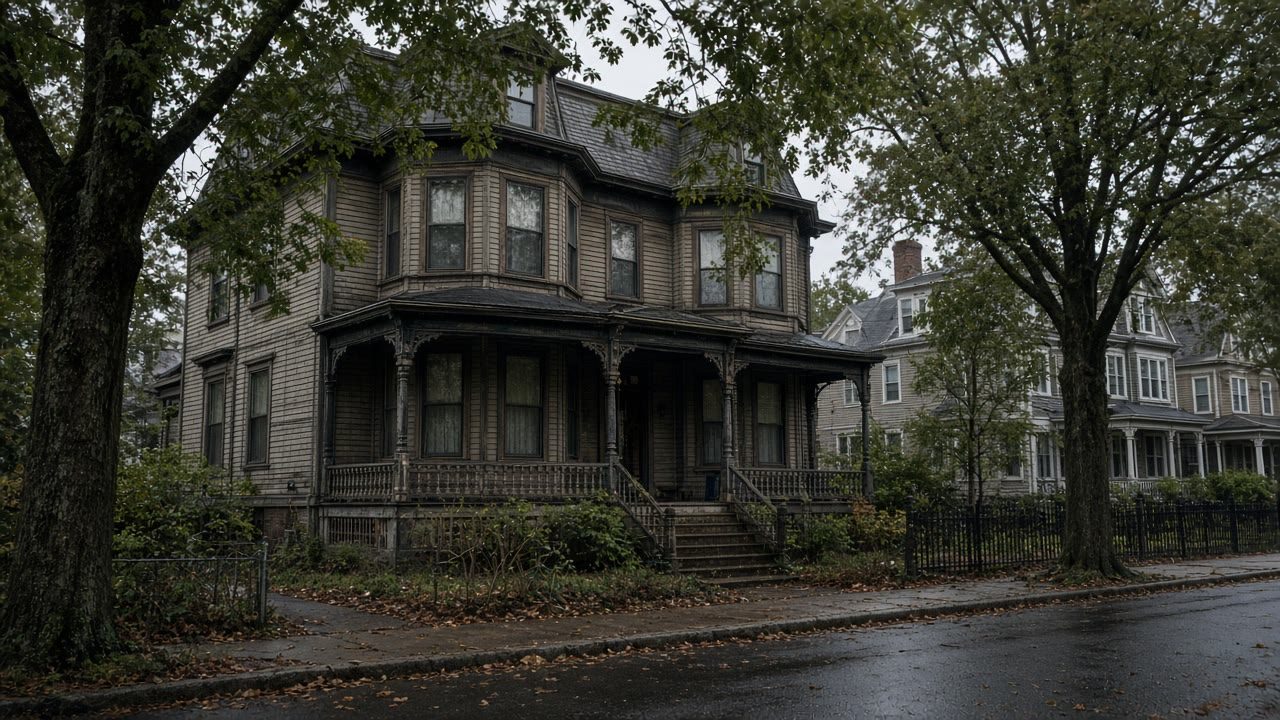
FEMA's NFIP claims dataset records 69 flood insurance claims for the City of Newton with loss years from 1990 to 2026 and about $455,000 in net payments. Twenty fell in 2010 and 16 in 2023, 30 of the 69 were rated in flood zone AE, and 15 were caused by stream, river or lake overflow, the highest count of watercourse overflow claims in this coverage area.
Source: Federal Emergency Management Agency, OpenFEMA NFIP Redacted Claims v2, accessed 2026-09-14
Newton has 48.8 percent of its housing units built in 1939 or earlier and a median year of construction of 1942, with 79.9 percent built before 1980. 54.8 percent of its units are single-family detached and only 30.0 percent of occupied units are rented, the lowest rented share in this coverage area.
Source: U.S. Census Bureau, American Community Survey 2020-2024 5-year estimates, accessed 2026-09-14
The EPA advises that if the moldy area is less than about ten square feet, roughly a three foot by three foot patch, in most cases a homeowner can handle the cleanup themselves.
Source: U.S. Environmental Protection Agency, accessed 2026-09-14
Fifteen Newton claims from a watercourse rising
Newton's flood record is unusual for this area. Of 69 paid claims, about $455,000 in payments, 30 were rated in zone AE and 15 were caused by stream, river or lake overflow, the highest count of watercourse claims in this coverage area, with 20 claims in 2010 and 16 in 2023. So a test on a Newton lower level checks the watercourse and not only the gutters. The houses make that harder rather than easier: 54.8 percent of units here are single family detached, they are large, the lower levels are deep, and water can travel a long way behind a finished wall before anybody smells anything at all.
One decision maker, so buy extent
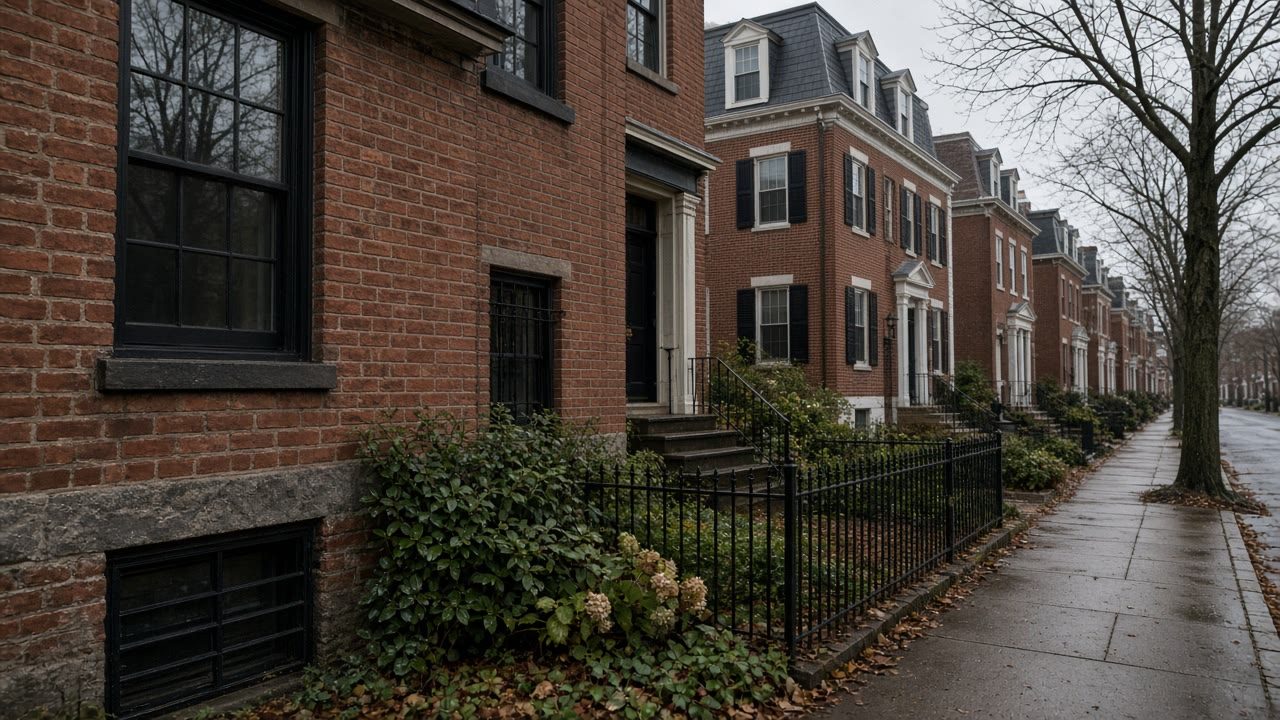
The advantage in this city is that one household usually owns the whole decision, because only 30.0 percent of Newton units are rented, so nothing waits on a landlord or a board. Spend that advantage on extent rather than on speed. On a deep finished lower level the readings that matter are the ones behind the board and under the flooring, and a thermal scan across the whole level costs less than opening two walls and finding out you opened the wrong two. Ask for the affected area to be measured and stated: it decides whether this is a homeowner job at about ten square feet or a contained removal, and it is the number an insurer asks for first.
Sky or watercourse
Fifteen of this city's claims came from a stream or river overflowing. That is a different fix from a downspout and it is worth knowing which you have.
Scan the level, then open the wall
A thermal scan across the whole lower level costs less than two exploratory openings, and it tells you which two openings are the right ones.
The measured area decides the job
Around ten square feet is the EPA's homeowner line. Above it you want containment. Either way the number belongs in writing before anyone quotes.
Is it the brook or the roof?
Describe how quickly it appears and where it starts, and we will narrow it down.
Removal and drying across the Newton villages
Questions Newton owners ask before a test
There is a brook at the bottom of the yard. Is that the cause?
It might be, and this is the one city in the area where that is a serious first guess: 15 of 69 paid claims here came from a watercourse rising. But 54 of them did not, so we look at the brook and at the discharge points and the grade, and the readings say which story fits.
How much of the wall has to come open to find it?
Less than people expect, if the scan comes first. Thermal imaging and meter readings across the finished surface narrow it to a bay or two, and those are the only places that get opened. Opening a wall to look for water is the expensive way to find out where it is not.
Tell us how deep the lower level goes
Depth changes where the readings have to be taken.